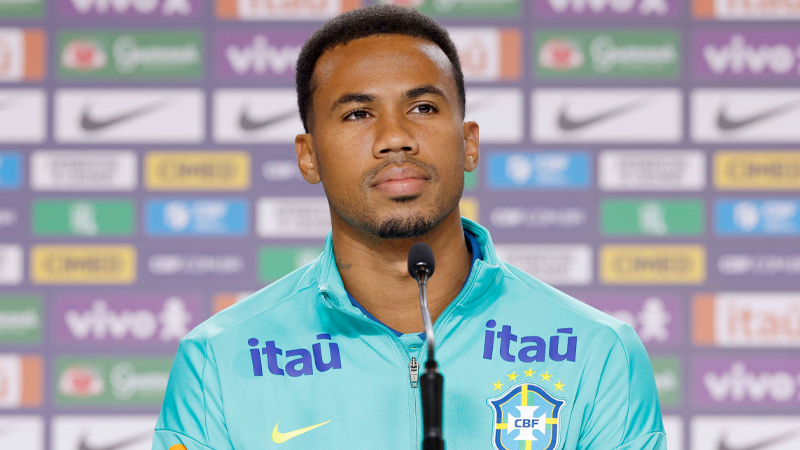
In the modern football economy, finding a world-class left-footed center-back for under £30 million is often considered an impossible task for elite clubs.
However, in September 2020, Arsenal successfully navigated a complex multi-club pursuit to secure the services of Gabriel Magalhães from Lille.
This acquisition has since redefined the club’s defensive identity, shifting from a period of tactical inconsistency to a solidified era of title contention.
By examining the initial financial layout, the performance-related incentives, and the subsequent contractual rewards, we can uncover how this specific investment became a cornerstone of the club’s long-term rebuilding project.
The Initial Investment: Breaking Down the 2020 Transfer Fee
When the deal was finalized in late 2020, the financial specifics revealed a highly structured agreement designed to protect the club’s capital while offering Lille a fair market value for their rising star.
The total potential package for the Brazilian defender was capped at £27 million (€30 million).
This figure was significantly lower than many of the other defensive acquisitions made by Premier League rivals during the same period, marking it as a high-value entry point for a player who had already proven himself in the Champions League.
A Granular Look at the Payment Structure
The deal was not a single lump-sum payment but rather a tiered financial commitment. Understanding these layers helps explain why the transfer was viewed as such a strategic success by the club’s technical department.
| Payment Component | Value in GBP (£) | Value in EUR (€) |
|---|---|---|
| Initial Fixed Fee | £23.14 Million | €26 Million |
| Performance Add-ons | ~£4 Million | ~€4 Million |
| Total Potential Value | £27 Million | €30 Million |
The initial fixed fee of £23.14 million served as the guaranteed compensation for Lille, while the additional £4 million was tied to specific performance-related milestones.
These add-ons typically include triggers such as appearances, clean sheets, and qualification for European competitions. Given his consistent presence in the starting eleven, it is widely understood that these milestones were met comfortably.
Navigating a Competitive Market
The complexity of the deal was heightened by the intense interest from other European giants. Arsenal’s technical director, Edu, noted that Gabriel was a player they had been studying for a long time and was in high demand across the continent.
Beating out domestic and international competition required not just a competitive fee but a convincing long-term project.
- Napoli’s Interest: The Italian side viewed Gabriel as a primary target to bolster their backline and held significant discussions.
- Manchester Rivalry: Both Manchester United and Manchester City kept close tabs on the player’s development throughout the 2019/20 season. Manchester United even held late discussions with his representatives before the deal was finalized.
- The Everton Connection: Everton was also among the initial group of Premier League clubs seeking to bring the Brazilian to England.
The Strategic Context of the Deal
To truly appreciate the £27 million figure, one must look at the state of the squad at the time of the transfer.
Mikel Arteta was in the early stages of a defensive overhaul, moving away from an aging and occasionally unreliable backline that included players like Sokratis Papastathopoulos and Shkodran Mustafi.
Gabriel’s arrival was intended to provide a left-footed balance that the squad previously lacked, allowing for better ball progression from deep positions.
The “Lille Pipeline” Strategy
This transfer marked the second major transaction between the London club and Lille within a 12-month window. Just a year prior, the club had spent a record-breaking £72 million on winger Nicolas Pepe.
While the Pepe deal was scrutinized for its high price tag, the Gabriel deal was seen as a corrective measure—securing a higher-impact player for less than half the cost of the previous year’s investment.
Technical Attributes Justifying the Fee
Scouting reports from his time in Ligue 1 highlighted why the club was willing to commit £27 million to a 22-year-old with only a few seasons of top-flight experience. Data revealed that Gabriel was not just a physical presence but a sophisticated distributor of the ball.
- Forward Passing: He ranked second in Ligue 1 for forward passes during his final season in France.
- Opposition Half Distribution: He completed the most passes into the opposition half in Ligue 1, showcasing his ability to break lines.
- Aerial Dominance: He ranked 16th in the league for winning aerial duels, a critical trait for transitioning to the physical nature of the Premier League.
- Physical Maturity: Lille’s president described him as a “real fighter” with immense physical presence who knew how to use his frame intelligently.
Contractual Evolution: Securing the Future until 2029
The original deal in 2020 saw Gabriel sign a five-year contract. However, his rapid ascent into the bracket of elite Premier League defenders necessitated a new agreement to reflect his increased market value and importance to the project.
The club prioritized a long-term extension to ward off interest from other clubs and reward his consistency on the pitch.
Modern Salary and Wage Structure
Gabriel’s current contract, which now runs through June 30, 2029, places him among the club’s top earners. This four-year extension ensures that his peak years will be spent in North London.
- Weekly Wage: His salary currently sits between £150,000 and £200,000 per week. The variation in this figure depends on the base structure and how many performance-related incentives are triggered during the season.
- Annual Base Salary: This equates to an approximate yearly earnings bracket of £7.8 million to £10.4 million.
- Incentive Package: Beyond the base wage, the contract includes up to £3.9 million in annual performance-related add-ons. These are designed to reward individual accolades—such as his inclusion in the PFA Team of the Year—and collective team success in the Premier League and Champions League.
The “Saliba Factor” and Defensive Stability
One of the most significant reasons the £27 million investment is now viewed as a bargain is the chemistry Gabriel has developed with William Saliba.
While Saliba was signed for a similar fee of £27 million from Saint-Étienne in 2019, he did not begin his partnership with Gabriel until 2022 after several loan spells.
A Decade-Long Defensive Solution
Experts predicted early on that the pairing of Gabriel and Saliba could serve the club for “the best part of 10 years”. This foresight has largely been vindicated.
The two defenders complement each other’s styles; Gabriel provides the aggressive, “fighter” mentality, while Saliba offers a calm, composed presence.
This partnership has provided the defensive stability that the club lacked for over a generation, eventually helping them reach the summit of the Premier League.
Transitioning the Guard
The arrival of Gabriel and Saliba effectively signaled the end for several established defenders at the club. The depth chart was reshaped to favor youth and tactical flexibility.
- Displaced Players: Regulars like Rob Holding, Sokratis, and Mustafi saw their prospects of regular football diminish rapidly following the integration of the new defensive duo.
- Tactical Flexibility: Arteta utilized Gabriel’s left-footedness to transition into various systems, including a back three alongside players like Kieran Tierney.
Common Questions Regarding the Transfer
How much did Arsenal pay for Gabriel Magalhães in total?
The total financial package agreed upon with Lille was £27 million. This consisted of a guaranteed £23.14 million initial payment and approximately £4 million in performance-related bonuses.
Was the transfer fee considered high at the time?
At £27 million, the fee was considered very reasonable for a 22-year-old starting center-back with Champions League experience. It was significantly less than the fees being paid for other top-tier defenders in the Premier League during that window.
How long is Gabriel’s current contract?
Following a recent extension, Gabriel is under contract until June 30, 2029. This was a strategic move by the club to secure his long-term future and reflect his status as an elite performer.
Did other clubs try to hijack the deal?
Yes, Manchester United held late talks with the player’s representatives, and Napoli was in constant contact with Lille. Despite this, the player chose the project in London, having been convinced by the club’s technical director and manager.
The Ultimate Return on Investment
Reflecting on the 2020 transfer window, the £27 million spent on Gabriel Magalhães stands as one of the most astute pieces of business in the club’s recent history.
While other high-profile signings often require years to adapt or fail to meet expectations, Gabriel became an immediate starter and an emotional leader within the squad.
His growth from a “raw” prospect at Lille to a PFA Team of the Year defender justifies every penny of the initial fee and the subsequent salary increases.
By securing his services until 2029, the club has not only protected a massive financial asset but has also ensured that the foundation of their defense remains intact for the foreseeable future.
In a market where center-backs now routinely command fees upwards of £70 million, Gabriel’s £27 million move represents the gold standard of modern recruitment—identifying elite talent before they reach their peak and integrating them into a clear tactical vision.