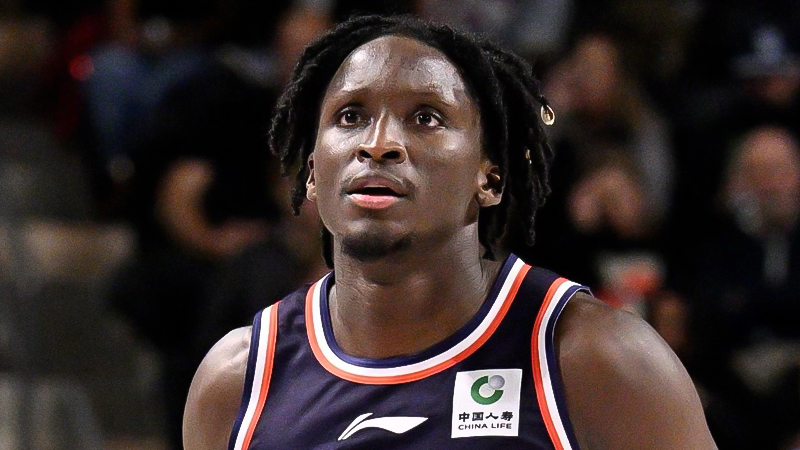
Victor Oladipo is a Nigerian-American professional basketball star who is of 100% Nigerian descent.
Although born and raised in Maryland, his lineage traces entirely back to Nigeria’s major ethnic groups through both of his parents, who immigrated to the United States in 1985.
Specifically, his father belongs to the Yoruba people, and his mother possesses a heritage comprising both Igbo and Yoruba ancestry.
Despite his American upbringing, Oladipo maintains a profound connection to his West African roots, carrying traditional names that reflect his cultural identity as the second-born of a set of twins.
What is Victor Oladipo’s Ethnic Background?
To understand Oladipo’s identity, one must look at the specific history of his parents, Christopher and Joan Oladipo, and their journey to the United States.
Their move was part of a larger wave of skilled Nigerian professionals seeking opportunities in North America during the mid-1980s, a demographic that has significantly influenced the professional landscape of the U.S. today.
| Family Member | Ethnic Group | Professional Background | Immigration Year |
|---|---|---|---|
| Christopher Oladipo (Father) | Yoruba | Public Health Executive (PhD) | 1985 |
| Joan Amanze Oladipo (Mother) | Igbo & Yoruba blend | Registered Nurse | 1985 |
| Victor Oladipo | Nigerian-American | Professional Athlete & Musician | Born in U.S. |
This parental foundation established a household where education and traditional values were prioritized.
Christopher Oladipo’s academic background as a PhD holder and public health executive, combined with Joan’s career in nursing, reflects the high-achieving nature of the Nigerian diaspora
While Victor is culturally American, his biological and ancestral makeup is entirely rooted in the West African nation.
Tribal Heritage: Yoruba and Igbo Roots
The Nigerian identity is often defined by its rich diversity of ethnic groups, and Oladipo represents a fusion of the two most populous and influential tribes in the country.
This dual heritage provides him with a unique perspective on Nigerian culture, allowing him to navigate different linguistic and social landscapes within the community.
The Yoruba Lineage of the Oladipo Family
On his paternal side, Oladipo is ethnically Yoruba. The Yoruba people are one of the largest ethnic groups in Africa, primarily inhabiting southwestern Nigeria and parts of Benin and Togo.
They are known for their sophisticated urban culture, historic kingdoms, and deep religious traditions.
The surname “Oladipo” itself carries significant meaning within this culture, translating to “wealth or honor becomes many,” which serves as a testament to the family’s aspirations and history.
The Igbo Heritage from Joan Amanze Oladipo
His maternal side introduces the Igbo (often spelled Ebo) heritage. The Igbo people are primarily located in southeastern Nigeria and are renowned for their entrepreneurial spirit, decentralized political structures, and resilience.
Oladipo has noted that his mother represents a blend of both Igbo and Yoruba ancestry, further complicating and enriching his personal lineage.
This mixture is common in modern Nigerian history, particularly among families that lived in cosmopolitan hubs like Lagos before immigrating.
A Unified Identity Over Tribal Lines
Despite the clear tribal distinctions in his bloodline, Oladipo chooses to view his identity through a broader lens. Rather than claiming an exclusive alliance to either the Yoruba or Igbo groups, he has stated that he represents Nigeria as a whole.
This pan-Nigerian approach is common among the diaspora, who often prioritize national unity and shared West African culture over the specific ethnic divisions that can sometimes be more prominent within the country itself.
Clarifying the Sierra Leone Connection
There is a common misconception regarding Oladipo’s ethnicity that frequently appears in media discussions and fan searches.
This confusion often leads people to believe he is of mixed heritage from multiple West African nations, but the reality is more straightforward.
Why Many Believe He is Sierra Leonean
The confusion stems from the early life of his father, Christopher Oladipo. While Christopher is ethnically Nigerian, he spent his teenage and young adult years living in Sierra Leone.
When public profiles were first written about Victor’s rise to NBA stardom, this detail about his father’s upbringing was often misinterpreted as an ethnic origin. Consequently, many secondary articles incorrectly listed Victor as being of Sierra Leonean descent.
Confirming 100% Nigerian Ancestry
Victor Oladipo has taken steps to clarify this part of his family history in various interviews. He has reiterated that while his father spent formative years in Sierra Leone, both of his parents are ethnically Nigerian.
This distinction is important for accurate cultural representation, as it confirms that his heritage is 100% Nigerian. His connection to Sierra Leone is a matter of his father’s residency history rather than a biological bloodline.
The Cultural Significance of His Traditional Names
In many Nigerian cultures, naming is not just a matter of identification; it is a roadmap of birth circumstances, ancestral honor, and spiritual destiny. Oladipo’s full name—Kehinde Babatunde Victor Adrian Oladipo—serves as a primary example of this tradition.
Kehinde: The Significance of Being a Twin
The name “Kehinde” is a traditional Yoruba name strictly reserved for the second-born of a set of twins. Victor has a twin sister named Victoria. In Yoruba custom, the second-born twin is actually considered the spiritually older sibling.
The belief is that the first twin (traditionally named Taiwo) is sent out by the second twin to “taste the world” and signal back whether it is safe or ready for the senior twin to emerge.
This cultural nuance adds a layer of leadership and seniority to Victor’s identity within his family structure.
Babatunde: The Return of the Grandfather
Another culturally heavy name he carries is “Babatunde,” which translates literally to “father has returned”. This name is traditionally bestowed upon a male child who is born after the death of a grandfather and who physically resembles that grandfather.
It symbolizes a generational legacy and the idea that the spirit or essence of an ancestor has come back to the family in the form of a new child. It is a powerful marker of continuity in Yoruba families.
The Etymology of the Oladipo Surname
The surname Oladipo is a compound of Yoruba words. “Ola” typically refers to wealth, status, or honor, while “Dipo” suggests a multiplication or replacement.
When combined, it signifies that “wealth or honor has become many” or has increased within the family. For an athlete who has achieved high levels of professional success and financial stability, the name seems almost prophetic of his journey in the NBA.
International Basketball and National Allegiance
Oladipo’s status as a dual citizen of both the United States and Nigeria has played a significant role in his international basketball prospects and his standing within the global sports community.
This dual identity has allowed him to bridge the gap between American basketball culture and the rising talent pool in Africa.
Representing Team USA vs. Nigeria
Throughout his career, Oladipo has been in the unique position of being eligible for two major national programs.
He participated in USA Men’s National Team training camps, but because he never played for the senior U.S. squad in a major FIBA tournament, he technically maintained his eligibility to switch his allegiance to Nigeria.
The Nigerian Basketball Federation, known as D’Tigers, publicly courted him ahead of the 2016 Rio Olympics, recognizing the massive impact an NBA All-Star would have on their roster.
Impact as an Ambassador for NBA Africa
Even while playing in the United States, Oladipo has remained a central figure in the NBA Africa movement. He served as a main ambassador for the league’s growth on the continent and participated in the historic NBA Africa Games in Johannesburg.
His involvement is not just about celebrity; it is about providing a visible path for young African athletes to see that their heritage and their professional aspirations can coexist at the highest levels.
How Heritage Influences His Music and Brand
Beyond the basketball court, Oladipo’s Nigerian roots are a cornerstone of his creative identity and personal life. He has consistently used his platform to highlight African excellence, whether through his wardrobe, his public statements, or his artistic projects.
Incorporating Afrobeat Sounds
In addition to his athletic career, Oladipo has a successful music career where he frequently incorporates Afrobeat influences.
Afrobeat, a genre that originated in Nigeria, has become a global phenomenon, and Oladipo’s use of these rhythms and styles is a deliberate nod to his cultural background.
He has often expressed immense pride in this heritage, seeing his music as a way to connect with his fans in a more personal and culturally specific way.
Growing Up in a Traditional Household
Oladipo credits much of his discipline and work ethic to his upbringing in a traditional Nigerian household. Nigerian immigrant parents are famously known for their high expectations regarding education and professional conduct.
Growing up in Maryland with a public health executive father and a nurse mother meant that excellence was the standard, not the exception.
This cultural foundation helped him navigate the pressures of professional sports while staying grounded in his family’s values.
Frequently Asked Questions Regarding Oladipo’s Heritage
What is Victor Oladipo’s nationality?
Victor Oladipo holds dual citizenship. He is an American citizen by birth (born in Maryland) and a Nigerian citizen through his parents.
Does Victor Oladipo speak any Nigerian languages?
While Oladipo grew up in the United States, he was raised in a traditional household where Yoruba and Igbo influences were present. While he primarily speaks English, he is culturally fluent in the customs and naming traditions of his parents’ tribes.
What is the meaning of his name Kehinde?
Kehinde is a Yoruba name given to the second-born of twins. Culturally, the Yoruba consider Kehinde to be the spiritually older twin.
Is Victor Oladipo from Sierra Leone?
No. While his father, Christopher, lived in Sierra Leone for many years before moving to the U.S., both of Victor’s parents are ethnically Nigerian, making him 100% Nigerian by descent.
Conclusion: A Legacy of Cultural Pride
Victor Oladipo’s story is a compelling example of the modern immigrant experience in professional sports. By balancing his American upbringing with a 100% Nigerian heritage, he has become a global icon for the diaspora.
From his traditional Yoruba names to his active role in promoting basketball across Africa, Oladipo remains a steadfast representative of his roots.
His identity is not just a footnote in his biography; it is the engine behind his success and a source of deep personal pride that continues to inspire fans across both the United States and Nigeria.