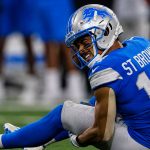
The transition of a jersey number in professional sports is rarely a matter of simple aesthetics. For an athlete of LaMelo Ball’s caliber, a numerical shift represents a convergence of personal identity, commercial branding, and psychological readiness.
When the announcement arrived that Ball would officially trade his No. 2 jersey for the No. 1 ahead of the 2022-2023 NBA season, it was the culmination of a two-year journey to reclaim an identity that had been sidelined by league logistics and roster timing.
The Numerical Identity: Why the “One” Matters
In the ecosystem of the NBA, a player’s number is their primary visual signifier. It is the centerpiece of their brand and the digit that fans wear on their backs.
For LaMelo Ball, the number one was never just a preference; it was a lifelong companion. Throughout his entire “basketball life,” from the storied courts of Chino Hills High School to his professional stints in Lithuania and Australia, Ball was synonymous with the No. 1.
This history created a disconnect when he entered the NBA as the third overall pick in 2020. At the time of his arrival in Charlotte, the No. 1 jersey was already occupied by teammate Malik Monk. Out of professional courtesy and league rules, Ball settled for No. 2 for his first two campaigns.
While he achieved significant success during this period—including winning the NBA Rookie of the Year award—there was always an underlying sense that the presentation was incomplete.
The Psychological Weight of the Wrong Number
Athletes often operate on a plane where comfort and confidence are dictated by routine and familiarity. Ball was remarkably vocal about his dissatisfaction with the No. 2 jersey.
During media interactions, he expressed a sentiment that resonated with fans and branding experts alike: “I ain’t supposed to wear No. 2 ever again in my life”.
This was not merely a stylistic complaint. For a player whose personal slogan and branding revolve around being “1 of 1,” wearing any other number felt like a contradiction.
In the high-stakes environment of professional basketball, the mental edge provided by feeling “right” in one’s uniform cannot be overstated.
By securing his coveted No. 1 uniform after Monk departed from the team, Ball was finally able to align his on-court persona with his internal identity.
The Logistics of an NBA Jersey Change
To understand the delay in this transition, one must look at the stringent protocols managed by the NBA and its apparel partners.
Typically, the league requires a significant notice period for a player to change their number, often to protect the inventory of jerseys already manufactured and distributed to retailers.
If a player wishes to change their number before a certain timeframe has passed, they are often required to buy out the remaining retail inventory of their old jerseys.
Ball had attempted to make the switch before his second season, but the timing did not align with the league’s administrative deadlines. Consequently, the 2022-2023 season became the targeted launch point for the “new” LaMelo.
This delay only heightened the anticipation among the Charlotte Hornets’ fanbase, turning a routine administrative change into a major narrative arc for the franchise.
Strategic Branding: The “1 of 1” Philosophy
The shift to No. 1 was a masterclass in brand alignment. Ball’s partnership with PUMA and the launch of his signature shoe line, the MB.01, were built on the foundation of his unique path to the league. The “1 of 1” motif is present across his apparel, social media, and tattoos.
By reclaiming the number, the synergy between his performance on the court and his commercial ventures reached a state of equilibrium.
- Marketability: A jersey change triggers a fresh wave of merchandise sales. Fans who already owned a No. 2 jersey were now incentivized to purchase the “authentic” No. 1 version.
- Consistency: It allowed for a unified marketing message across all platforms. The player, the shoe, and the jersey finally told the same story.
- Legacy: In the annals of Hornets history, the transition marks the moment Ball moved from a promising newcomer to the established face of the franchise.
The Impact on the Charlotte Hornets Franchise
For the Charlotte Hornets, Ball’s return to No. 1 signaled a definitive era. The franchise has seen various stars come and go, but few have possessed the global reach and cultural influence of LaMelo. The number change was a signal to the league that the “1 of 1” was fully realized.
The excitement surrounding the change was palpable in the team’s media day and promotional materials. It provided a “reset” button of sorts—a way to energize the fan base heading into a new season.
When Ball stepped onto the court in the No. 1 jersey, it wasn’t just a change in fabric; it was the restoration of a visual standard that had defined his career long before he reached the professional ranks.
Comparative Analysis: The Rarity of the “Reclamation”
It is common for players to change numbers when they switch teams, but it is less common for a rising superstar to change numbers while staying with the same franchise.
Usually, such changes are reserved for moments of profound personal growth or shifts in a player’s career trajectory.
- Kobe Bryant famously switched from 8 to 24 to represent a new chapter of his career.
- LeBron James has toggled between 23 and 6, often tied to team changes or honoring league-wide retirements.
In Ball’s case, the change was a return to his roots. It was an act of reclamation rather than reinvention. This distinction is vital for his narrative; it suggests a player who knows exactly who he is and refuses to settle for a secondary identity.
Looking Ahead: The Legacy of No. 1 in Charlotte
As Ball continues to develop into one of the league’s premier playmakers, the No. 1 jersey will likely become one of the most iconic images in Charlotte sports history.
The journey to get there—marked by a two-year wait and a very public desire for the change—adds a layer of depth to his story. It serves as a reminder of the importance of personal conviction in the world of professional sports.
The transition was a victory for Ball, the fans, and the Hornets’ marketing department. It proved that in the modern NBA, a player’s number is much more than a way for officials to identify them on the court.
It is a symbol of their journey, a cornerstone of their brand, and a key component of their professional psyche.
Frequently Asked Questions
Why did LaMelo Ball wear No. 2 for his first two seasons?
Ball wore No. 2 because his preferred No. 1 was already assigned to teammate Malik Monk when Ball was drafted by the Charlotte Hornets. NBA rules and existing roster assignments prevented him from taking the number immediately.
When did the official change to No. 1 occur?
The change became official ahead of the 2022-2023 NBA season, following Monk’s departure from the team, which opened up the jersey for Ball.
What was LaMelo Ball’s history with the number one?
Ball has a deep-rooted connection to the number, having worn it throughout his high school career and during his professional seasons playing overseas before entering the NBA.
What did LaMelo Ball say about wearing the No. 2 jersey?
Ball was very open about his dislike for the No. 2 jersey, famously telling the media that he was never “supposed to wear No. 2 ever again” in his life.
Does a jersey number change affect a player’s performance?
While the impact is largely psychological, many elite athletes believe that feeling comfortable and “like themselves” in their uniform is essential for maintaining peak confidence on the court. For Ball, the No. 1 is a core part of his “1 of 1” identity.