The evening of December 23, 2012, is etched into the memory of football fans as the night the architectural foundation of a modern defensive dynasty was finalized.
When the Seattle Seahawks hosted the San Francisco 49ers for a Week 16 showdown on Sunday Night Football, the stakes were high, the rivalry was bitter, and the physical intensity was about to reach a breaking point.
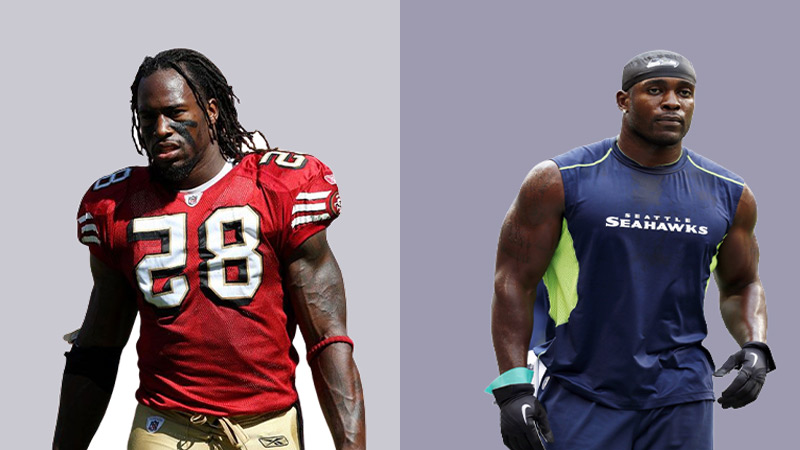
At the center of this tectonic shift was a single collision between Seahawks safety Kam Chancellor and 49ers tight end Vernon Davis.
This moment did more than just affect the scoreboard of a 42-13 Seattle victory; it served as a cultural manifesto for the “Legion of Boom” and redefined what it meant to play physical defense in the modern era.
The Setup: A Clash of NFC West Titans
The 2012 NFL season represented a changing of the guard in the NFC West. The San Francisco 49ers, led by Jim Harbaugh, were the established power, while Pete Carroll’s Seahawks were the hungry, aggressive upstarts. By the time Week 16 arrived, the atmosphere at CenturyLink Field was electric.
The Seahawks were looking to prove that their defensive philosophy—built on length, speed, and uncompromising physicality—could dismantle the most efficient offenses in the league.
Kam Chancellor, often referred to as “The Enforcer,” was the heartbeat of this philosophy. While teammates like Richard Sherman provided the cerebral and vocal edge, Chancellor provided the raw, intimidating power.
Anatomy of the Collision: The “Hospital Pass”
Late in the first quarter, with the game still in its developmental stages, 49ers quarterback Colin Kaepernick attempted to thread a needle near the goal line. He threw a high, lofted pass toward Vernon Davis.
In football parlance, this is known as a “hospital pass”—a throw that forces a receiver to extend themselves into a vulnerable position while traveling into the territory of a waiting defender.
As Davis leapt into the air to secure the ball, he became a “defenseless receiver” in the eyes of the officials, but he also became a target for Chancellor. Chancellor did not lead with his helmet; instead, he delivered a massive shoulder-first strike.
The timing was precise. The force was enough to jar the ball loose instantly, turning a potential touchdown into an incomplete pass.
However, the physical toll on Davis was immediate. The impact was so severe that Davis suffered a concussion, leaving him visibly disoriented on the field. His night ended shortly after, and for many observers, the 49ers’ offensive rhythm disappeared with him.
The Flag and the Controversy
Immediately following the hit, a yellow flag flew onto the turf. The officials charged Chancellor with unnecessary roughness.
At the time, the NFL was in the early stages of a significant transition toward player safety, specifically targeting hits to the head and neck area of defenseless players.
Despite the penalty, replay analysis sparked a massive debate that continues in football circles today. Many experts and fans argued that the hit was legal. Chancellor appeared to lead with his shoulder and made primary contact with Davis’s chest.
The “penalty” was seen by many as a reaction to the sheer violence of the collision rather than a technical violation of the rules.
For the Seahawks, the flag was a small price to pay for the psychological message it sent: the middle of the field was no longer safe for opposing receivers.
The Birth of a Legend: Impact on the “Legion of Boom”
While the Seahawks went on to dominate the game with a 42-13 blowout, the long-term impact of the Chancellor-Davis hit was far more significant. It solidified the identity of the “Legion of Boom”.
A great defense requires more than just talent; it requires a reputation. After December 23, 2012, every offensive coordinator and receiver on the Seahawks’ schedule had to account for Kam Chancellor.
This hit became the “highlight reel” representative of an era where Seattle’s secondary intimidated opponents before the ball was even snapped.
The community context, particularly among historians and analysts, often points to this specific play as the moment the 49ers-Seahawks rivalry shifted.
It was a demonstration of dominance that signaled Seattle was ready for a championship run, which they would eventually realize a year later in Super Bowl XLVIII.
Technical Breakdown: Why the Force Was So Great
To understand why this hit remains legendary, one must look at the physics involved.
- Vertical Displacement: Because Davis jumped for the ball, he had no ground under him to help absorb the momentum. All the energy from Chancellor’s strike was transferred directly into Davis’s torso and head.
- Closing Speed: Chancellor was known for his ability to “trigger” from the secondary, meaning he could identify a pass and reach top speed in a matter of steps.
- Shoulder-First Technique: By using his shoulder, Chancellor maximized the surface area of the impact, ensuring the ball would be dislodged while attempting to stay within the legal framework of the game.
The Human Element: The Cost of the Game
It is important to acknowledge the aftermath for Vernon Davis. Injuries like the one he sustained that night fueled the ongoing dialogue regarding player safety and the long-term health of athletes.
While the hit is celebrated for its defensive excellence, it also serves as a reminder of the inherent risks of the sport. Davis was one of the premier tight ends in the league, known for his speed and strength, yet he was completely sidelined by a single, well-timed hit.
The Legacy of December 23, 2012
Years later, the hit is still shared across social media and discussed in sports documentaries. It represents a bygone era of NFL physicality that is increasingly rare due to evolving rules.
For Seattle fans, it remains the definitive “Kam Chancellor moment”—a display of power, precision, and the relentless spirit of a championship-caliber defense.
Frequently Asked Questions
What was the exact date of the Kam Chancellor hit on Vernon Davis?
The hit occurred on December 23, 2012, during a Week 16 matchup.
Was Kam Chancellor fined for the hit?
While he was flagged for unnecessary roughness during the game, the league’s subsequent review of such hits often focused on whether there was helmet-to-helmet contact. The hit is widely regarded by fans and peers as one of the cleanest “hard hits” in history, despite the penalty flag.
What happened to Vernon Davis after the play?
Davis suffered a concussion and was forced to leave the game. He did not return, and the 49ers struggled offensively for the remainder of the night.
What was the final score of the game?
The Seattle Seahawks defeated the San Francisco 49ers 42-13.
Why is it called a “hospital pass”?
The term refers to a pass thrown by a quarterback that puts the receiver in a position where they are almost certain to be hit hard by a defender, often leading to injury. In this case, Kaepernick’s high throw forced Davis to leave his feet and expose his midsection to Chancellor.
Strategic Conclusion: Lessons from the Boom
The collision between Kam Chancellor and Vernon Davis was more than a highlight; it was a masterclass in defensive intimidation and a pivotal moment in NFL history.
For organizations and teams, it serves as a case study in how a single act of excellence can define a brand—in this case, the “Legion of Boom”.
As the game continues to move toward a more offense-oriented, safety-conscious product, moments like these stand as monuments to a different era of football.
It was the night the “Boom” became a reality, and the NFL landscape was changed forever.