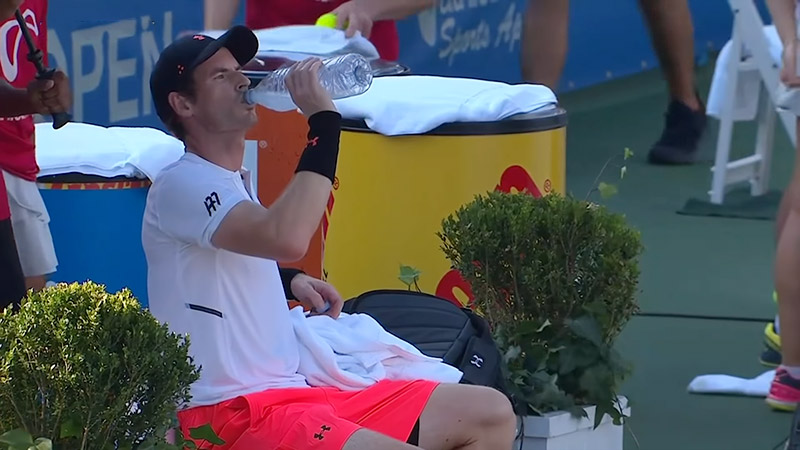
In the elite echelons of professional tennis, matches are no longer merely contests of skill and strategy; they are grueling tests of physiological endurance.
As athletes like Novak Djokovic and Carlos Alcaraz push the limits of human performance in matches that can exceed five hours, the “liquid strategy” employed on the changeover becomes a critical factor in determining victory.
What a player consumes during these brief intervals is a highly calculated intervention designed to sustain neuromuscular function, cognitive focus, and metabolic stability.
For the modern professional, hydration is an evolving science—a “Courtside Chemistry” tailored to individual sweat rates and match dynamics.
Understanding the specific choices made by world-class athletes provides a roadmap for anyone looking to optimize their physical output.
The Physiological Demand: Why Modern Tennis Requires More Than Water
The physical toll of professional tennis is immense. During a standard three-set match, a player can lose up to four liters of fluid; in extreme conditions, such as those seen at the US Open, this can escalate to eight liters.
This loss is not just water. It includes vital minerals—specifically sodium and chloride—which are expelled at rates as high as 9 grams per liter of sweat.
Dehydration as low as 2% of body weight can result in a 20% decline in athletic performance. As fluid levels drop, core body temperature rises, heart rate increases, and the glycogen stored in the muscles is depleted more rapidly.
The symptoms of this electrolyte imbalance are catastrophic for a professional: a loss of energy, decreased concentration, increased irritability, and the onset of unforced errors.
In the most severe cases, a lack of proper sodium replenishment can lead to neurological disorientation and even seizures.
Consequently, the professional baseline is built upon three distinct pillars: fundamental fluid balance, carbohydrate-electrolyte replenishment, and specialized recovery formulas.
The Three-Bottle Protocol: Managing Physiological “Levers”
Observers often notice elite players, such as Djokovic, utilizing three different bottles during a single changeover.
This is rarely a matter of superstition; rather, it represents a sophisticated system of “levers” that the athlete can adjust in real-time based on their physical and mental state.
- Pure Water: This serves as the foundation for basic hydration and is often used to rinse the mouth or maintain fluid balance without introducing additional solutes.
- Electrolyte-Carbohydrate Solutions: These are designed to replace the specific salts lost in sweat while providing a steady stream of glucose to the muscles and brain.
- Specialized Recovery or Concentration Formulas: These may contain branched-chain amino acids (BCAAs), caffeine, or even targeted minerals like magnesium to manage muscle tension and mental fatigue.
By keeping these liquids separate, the athlete can fine-tune their intake. If they feel jittery or over-amped, they may increase their water intake and decrease sugar.
Conversely, if they feel a “bonk” or a sudden drop in energy, they will reach for the high-carbohydrate solution to restore blood glucose levels.
This tactical flexibility allows the player to remain in a “perfect” state of readiness regardless of match length.
The “Pink Drink” Phenomenon: Specialized Nutrition
One of the most discussed sights on the professional tour is the “pink drink”—a colorful beverage seen in the hands of many top-tier players.
This is typically a specialized powder, such as BioSteel, Cytomax, or Endurox, mixed with water.
These formulas serve several critical purposes:
- Sustained Energy: Unlike traditional sugary sodas or standard sports drinks that can cause a rapid insulin spike followed by a “crash,” these specialized powders often use a carbohydrate mix (such as sucrose and maltodextrin) to provide both immediate and long-term fuel.
- Electrolyte Precision: They are packed with sodium, potassium, and calcium—the chemicals responsible for carrying “electricity” throughout the body to initiate muscle contraction and tissue repair.
- Cognitive Support: By keeping the “fuel tanks” of the brain full, these drinks allow players to stay alert and focused during the critical pressure points of a match.
Tactical Interventions: The Role of Pickle Juice
Perhaps the most unconventional tool in the professional’s bag is pickle juice. Athletes like Carlos Alcaraz and Frances Tiafoe have been seen consuming this acidic liquid during the late stages of intense matches.
The primary utility of pickle juice is its high sodium content, which is essential for stopping sudden muscle cramps. Because of its unique chemical composition, it has been shown to halt cramping up to 40% faster than water.
By integrating this “cramp-killer” into their routine, players can navigate the physical “red zone” of a fifth set without their muscles seizing up.
Recovery Science: Post-Match Replenishment
The hydration strategy does not terminate at match point. The hour following a match is a critical window for “molecular rebuilding”. Professional protocols during this time often include:
- Protein-Infused Beverages: To initiate the repair of muscle micro-tears.
- Mineral Fortification: Water mixed with magnesium and potassium to restore intracellular balance and prevent post-match spasms.
- Non-Alcoholic Beer: Growing in popularity as a regeneration drink, it provides an isotonic balance of carbohydrates and polyphenols that help replenish glycogen stores without the dehydrating effects of alcohol.
Implementing Professional Standards: The DIY Protocol
For the competitive amateur, adopting a professional hydration strategy does not require a team of nutritionists. Experts recommend several actionable steps to mirror the elite approach:
1. The “Sweat Test”
Stand on a scale before and after a training session. Subtract any fluid consumed during the session. If you weigh less after the match, you are under-hydrated. If you weigh more, you have consumed too much fluid, which can also hinder performance.
2. Temperature Control
Avoid drinks that are ice-cold or piping hot. Very cold drinks can signal the body to generate more heat and cause stomach distress, while hot drinks increase perspiration. Aim for liquids that are slightly cooler than the ambient air temperature.
3. The Professional DIY Recipe
Nutritionists suggest a simple, effective homemade electrolyte drink that balances hydration with quick energy absorption:
- 2-3 Parts: Mineral or tap water (for fluid).
- 1-2 Parts: Juice or green tea (for carbohydrates and antioxidants).
- A Pinch: Household salt (for sodium/chloride replenishment).
Enhanced FAQ: Addressing Common Hydration Queries
Why do some players drink espresso mid-match?
Caffeine is a powerful ergogenic aid. Players like Serena Williams have famously utilized espresso to boost alertness and reaction times during a match. However, some players, like Djokovic, reportedly avoid caffeine to maintain a more consistent energy profile.
Why do players take small sips rather than gulping?
Taking two or three small sips regularly during every changeover ensures a steady rate of gastric emptying. Large amounts of liquid in the stomach can lead to a “heavy” feeling and draw blood away from the muscles to the digestive system, causing lethargy.
What are the sachets that players are often seen eating?
In addition to liquids, players use energy chews or gels. These are concentrated carbohydrates designed to enter the bloodstream quickly without bogging down the digestive system.
Strategic Summary for Peak Performance
The meticulous hydration routines of the world’s best tennis players reveal that success is as much about chemistry as it is about athleticism.
By viewing fluids as a series of “levers”—balancing pure water for hydration, specialized powders for sustained energy, and tactical aids like pickle juice for cramp prevention—athletes can maintain their peak for hours on end.
Whether you are competing in a local tournament or pushing your limits in training, adopting these data-driven habits will ensure your body remains “on the ball” from the first serve to the final handshake. Hydration is not a passive activity; it is a proactive strategy for victory.