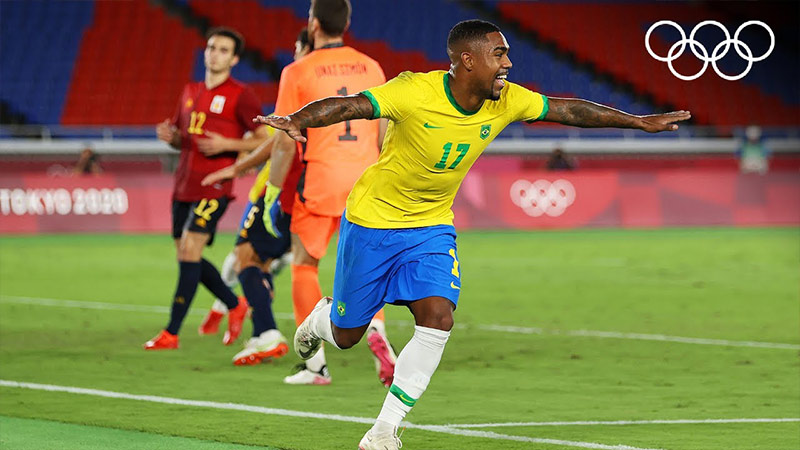
Olympic soccer operates under a unique regulatory framework that distinguishes it from other major international tournaments. While fans expect to see the world’s premier talent, the eligibility criteria differ drastically between the men’s and women’s competitions.
For the men, a strict age cap creates a stage for emerging stars, while the women’s tournament remains an open, senior-level championship. Understanding these specific age limits and roster exceptions is essential for both spectators and analysts.
This comprehensive guide explores the current standards, the reasoning behind the restrictions, and how these rules influence national team strategies on the world stage.
The Evolution of Men’s Olympic Soccer Eligibility
The men’s Olympic soccer tournament is defined by its focus on the next generation of global talent. Unlike the FIFA World Cup, which is an unrestricted senior event, the Olympics has functioned as a restricted competition for decades.
This decision was primarily driven by the need to distinguish the Olympic Games from the World Cup, ensuring that both events maintain their own unique prestige and commercial value within the international sporting calendar.
The Core Under-23 Requirement
The primary eligibility rule for the men’s tournament is that it is strictly an Under-23 (U-23) competition. This mandate requires that the vast majority of the roster consists of players who have not yet reached their 24th birthday by the time the qualifying cycle and tournament conclude.
This structure turns the Olympics into a high-stakes proving ground for players who are often on the cusp of breaking into their senior national teams but still benefit from the experience of a major international multi-sport event.
Eligibility by Birth Year for Paris 2024
To maintain consistency across the qualifying process, FIFA and the International Olympic Committee (IOC) set specific birth year cut-offs for each Olympic cycle.
For the 2024 Paris Games, all standard roster members were required to be born on or after January 1, 2001.
This specific date ensures that all players are 23 years old or younger at the start of the Olympic year, maintaining the integrity of the U-23 classification regardless of when their individual birthdays fall during the summer months.
The Strategic Role of Overage Exceptions
While the U-23 rule is the foundation of the men’s game, a significant amendment was introduced to allow for veteran leadership. Since 1996, each nation has been permitted to select up to three “overage” players who exceed the 23-year-old limit.
These selections are often the most scrutinized decisions a coach makes, as they must balance the integration of seasoned professionals with the existing chemistry of the younger squad that earned the Olympic qualification.
The Purpose of the “Plus-Three” Rule
The inclusion of overage players serves a dual purpose. First, it provides young rosters with veteran guidance in high-pressure knockout environments.
Second, it allows the Olympic tournament to market a few high-profile global stars to a broader audience, bridging the gap between youth development and elite senior competition.
These players often occupy critical “spine” positions on the field, such as central defense or holding midfield, where experience is most vital.
Case Study: Team USA’s 2024 Roster Strategy
The United States Men’s National Team (USMNT) provided a textbook example of this strategy during the 2024 cycle.
The U.S. roster utilized its three overage slots to bolster defensive stability and midfield creativity. The selected players were Walker Zimmerman (31), Miles Robinson (27), and Djordje Mihailovic (25).
By choosing two established central defenders and a veteran playmaker, the coaching staff sought to provide a mature foundation for their U-23 talent, such as Kevin Paredes and Gianluca Busio, to thrive.
Why Some Global Stars Are Absent
A common question among fans is why legendary figures such as Lionel Messi or Kylian Mbappe are frequently missing from the Olympic stage. The answer lies in a combination of the age limit and the complexities of the international soccer calendar.
Because the men’s Olympic tournament is officially a U-23 event, professional clubs are not legally mandated by FIFA to release their players for the tournament, unlike the World Cup or continental championships (such as the Euros or Copa America).
The Club vs. Country Release Struggle
For elite players like Kylian Mbappe or Christian Pulisic, the Olympics often conflict with their club’s pre-season preparations or follow immediately after grueling senior international tournaments.
If a player is over the age of 23, they must not only be selected as one of the three exceptions but also receive express permission from their professional club to participate.
Many top European clubs deny these requests to protect their multi-million dollar assets from injury or fatigue before the domestic season begins.
Prioritizing Senior International Tournaments
In many cases, the players themselves must choose between the Olympics and a senior championship.
For South American and European players, the Copa America and the UEFA European Championship are often prioritized because they carry more weight in the FIFA world rankings and individual award considerations, such as the Ballon d’Or.
Consequently, even when a star player expresses interest in the Olympics, the physical and contractual hurdles often prove insurmountable.
Why Women’s Olympic Soccer Has No Age Limits
The women’s Olympic soccer tournament operates under an entirely different philosophy than the men’s. Since its debut in 1996, the women’s competition has remained an open, senior-level tournament with no age restrictions.
This lack of a cap has allowed the women’s Olympic tournament to grow into one of the most prestigious events in the world, often viewed as being on par with the FIFA Women’s World Cup.
A True Best-on-Best Showcase
Because there is no age limit, fans are guaranteed to see the full strength of the participating nations. Legends of the game, such as Marta, Megan Rapinoe, and Wendie Renard, have been able to compete in multiple Olympic Games throughout their careers.
This has helped the women’s tournament achieve high television ratings and commercial success, as it consistently delivers the highest level of play possible in the international game.
Prestige and Global Impact
In the women’s game, the Olympic gold medal is often considered the pinnacle of an athlete’s career. The absence of restrictions means that every four years, the Olympics serves as a definitive ranking of the world’s best teams.
This has been instrumental in the global growth of women’s soccer, providing a recurring platform for elite competition that does not need to “defer” to a more senior tournament, as the men’s side does with the World Cup.
The Rationale Behind the FIFA-IOC Compromise
The discrepancy in rules between men and women is the result of a long-standing compromise between FIFA and the IOC. For FIFA, the goal is to ensure the World Cup remains the undisputed premier event in men’s soccer.
If the Olympics were a full senior men’s tournament, it would potentially devalue the World Cup and create a rival for broadcasting revenue and global attention.
Protecting the FIFA World Cup
By restricting the men’s Olympic tournament to U-23 players, FIFA preserves the World Cup’s status as the only competition where all the world’s best male players compete against one another.
The 1992 implementation of the age limit was a strategic move to define the Olympics as a developmental championship, thereby creating a clear hierarchy in the international soccer ecosystem.
Fostering Youth Development
From an athletic development perspective, the age limit provides a unique opportunity for young players to experience a “major tournament” atmosphere before they are expected to lead their senior teams.
The Olympics serves as a transition point, allowing youth stars to test themselves against international peers and a select few overage veterans, which is seen as vital for the long-term health of the sport.
Comparison of Olympic Soccer Eligibility Standards
To clarify the differences between the two tournaments, the following table outlines the current eligibility requirements and roster structures.
| Feature | Men’s Tournament | Women’s Tournament |
|---|---|---|
| Primary Age Restriction | Under-23 (U-23) | None (Open) |
| 2024 Birth Year Cut-off | Jan 1, 2001 or later | No cut-off date |
| Overage Exceptions | Maximum of 3 players | Not applicable |
| Reasoning | Protect World Cup prestige | Premier senior competition |
| Mandatory Club Release | No (for U-23/Overage) | Yes (Senior window) |
Frequently Asked Questions
How many overage players are allowed in the men’s Olympics?
Each men’s team is allowed exactly three players who are over the age of 23,. These players are typically used to fill gaps in experience or specific tactical needs within the younger squad.
Is there any age limit for women’s Olympic soccer?
No, there is absolutely no age limit for the women’s tournament,. National teams are encouraged to send their strongest possible senior rosters to compete for the gold medal.
Why did FIFA implement the U-23 rule for men?
The rule was established in 1992 to prevent the Olympics from competing directly with the FIFA World Cup. It ensures the World Cup remains the most prestigious trophy in the men’s game while providing a platform for “emerging talent” in the Olympics.
Can a player over 23 play if they weren’t selected as one of the three overage players?
No. Any player born before the designated cut-off date (January 1, 2001, for the 2024 Games) must occupy one of the three designated overage slots to be eligible for the roster,.
Do the age limits apply to the coaching staff?
No, the age restrictions are strictly for the players on the field. Coaches and technical staff of any age are permitted to lead their national teams in the Olympic Games.
Looking Ahead: The Future of Olympic Eligibility
As the global soccer landscape continues to evolve, there are frequent discussions regarding whether these age limits should be adjusted.
Some argue for an Under-21 limit to further emphasize youth, while others suggest the women’s tournament might eventually face pressure to adopt similar restrictions as their own World Cup grows in stature.
However, for the foreseeable future, the current balance remains: a developmental showcase for men and a supreme senior battle for women.
This structure ensures that the Olympic Games remain a vital part of the soccer world, offering something different from the standard FIFA calendar.
Whether you are watching a young phenom make their name or a legendary veteran chasing a missing gold medal, the eligibility rules of Olympic soccer are designed to maximize the drama and significance of the beautiful game on the world’s biggest stage.