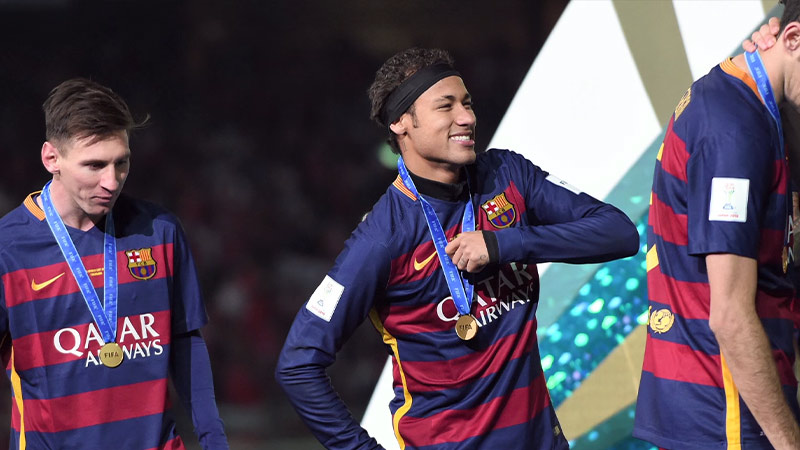
The world of international sports is filled with acronyms, but few carry the weight and historical gravity of FCB. For the vast majority of football enthusiasts, FCB stands for Futbol Club Barcelona.
This abbreviation identifies a premier Spanish professional football institution that is headquartered in Catalonia, Spain.
Since its inception in 1899, the club has served as more than just a sports team; it has become a central pillar of regional identity and a global powerhouse in the athletic industry.
The Linguistic Foundation of the Brand
At first glance, “Futbol” may look like a simple misspelling of the English word or the standard Spanish “Fútbol,” but it is a deeply intentional choice.
The acronym represents the Catalan spelling of “Football Club”. By choosing “Futbol” over the Spanish “Fútbol,” the club establishes its roots in the local language of its home region.
This linguistic distinction is a key part of the organization’s branding and heritage, reflecting a commitment to Catalan culture that has persisted for over 125 years.
Identity and the “Més que un club” Philosophy
A defining feature of this organization is its motto: “Més que un club,” which translates from Catalan to English as “More than a club”. This phrase is not merely a promotional tag; it encapsulates the team’s role as a primary symbol of Catalan culture.
For many, the club represents the aspirations and the identity of a region that has a distinct linguistic and cultural history within the borders of Spain.
The common nickname “Barça” is used worldwide, serving as a shorthand for this identity. This name is synonymous with a specific style of play and a commitment to excellence that has seen the club compete consistently in the top-flight La Liga.
Because the club is based in Barcelona, Catalonia, its success on the pitch is often viewed through the lens of regional pride and international prestige.
Resolving the FCB Ambiguity: Barcelona vs. Munich
While Futbol Club Barcelona is the most common association with the acronym, context is vital for accuracy in the sports world. In a German context, FCB can also refer to FC Bayern Munich.
This often leads to confusion during international tournaments like the UEFA Champions League, where both “FCBs” are perennial contenders.
To distinguish between the two, observers often look at the linguistic cues:
- FC Barcelona: Associated with the Catalan “Futbol” and the nickname “Barça”.
- FC Bayern Munich: Associated with the German “Fußball-Club” and the Bundesliga.
Understanding this regional variation is essential for stakeholders in sports media, betting markets, and global fans who track these organizations across different jurisdictions.
Strategic Institutional Excellence
From an organizational standpoint, maintaining a brand that represents an entire culture requires a unique governance structure. Unlike many modern sports franchises owned by private equity or billionaires, Barcelona is a member-owned club.
This structure ensures that the “More than a club” sentiment remains a functional reality, as the “socis” (members) have a direct say in the club’s leadership and long-term direction.
The club’s presence in Catalonia, Spain, places it in a competitive environment where it must balance local expectations with global commercial requirements.
This dual responsibility is managed through a sophisticated marketing machine that leverages the club’s history to secure high-value sponsorships and broadcast deals.
The Role of La Masia and Talent Development
A significant portion of the club’s global authority stems from its youth academy, La Masia. While not explicitly detailed in the provided materials, the academy is the heartbeat of the “Catalan identity.”
It focuses on developing players who understand the club’s specific tactical philosophy from a young age.
This internal “production line” ensures that the players representing the first team in La Liga are often deeply connected to the local culture and the values of the institution.
This commitment to home-grown talent reinforces the “More than a club” ethos. When fans see local players who speak Catalan and have grown up in the shadow of the Camp Nou, the bond between the team and its community is strengthened in a way that purely commercial clubs cannot replicate.
Global Reach and Digital Transformation
In the modern era, FCB is a digital pioneer. With hundreds of millions of followers across social platforms, the club has transformed from a regional icon into a global content creator.
This digital footprint is essential for maintaining its status as a top-flight competitor in La Liga.
The club’s strategy involves:
- Localized Content: Tailoring messages to different regions while maintaining the core Catalan identity.
- Monetizing the Fanbase: Converting social media followers into active consumers of merchandise and digital memberships.
- Global Academies: Opening “Barça Academies” around the world to export their specific training methodology.
Navigating Challenges and Ensuring Longevity
The club faces significant hurdles, including financial management in a post-pandemic economy and the need to modernize its physical infrastructure.
The renovation of their home ground in Barcelona is a multi-billion-dollar project aimed at ensuring the club remains competitive at the highest levels of global sport for the next century.
The club’s ability to navigate these challenges while staying true to its 1899 founding principles will determine its future trajectory. The tension between remaining a “Catalan symbol” and a “global brand” is a constant theme in the club’s executive decisions.
Conclusion: The Enduring Legacy of FCB
In summary, FCB is much more than a three-letter acronym. It stands for Futbol Club Barcelona, a century-old institution that bridges the gap between professional athletics and cultural identity.
Whether through the use of the Catalan spelling “Futbol” or the implementation of the “More than a club” philosophy, the organization has created a unique niche in the global market.
While it shares an acronym with the German giant FC Bayern Munich, the specific ties to Catalonia and its status in La Liga make it a singular entity in the world of soccer.
As the club continues to evolve, its nickname “Barça” will remain a beacon for those who value tradition, regional pride, and the highest standards of the beautiful game.
Frequently Asked Questions
Does FCB always mean Barcelona?
Not always. In Germany, the acronym is frequently used for FC Bayern Munich. However, in a global and specifically Spanish context, it refers to Futbol Club Barcelona.
Why is it called “Futbol” instead of “Fútbol”?
The spelling reflects the Catalan language, which is the primary language of the region where the club is based. It is a marker of the club’s regional identity.
What is the significance of the year 1899?
This was the year the club was founded, making it one of the oldest and most established football institutions in the world.
Where is the club located?
The club is based in Barcelona, which is the capital of Catalonia, Spain.