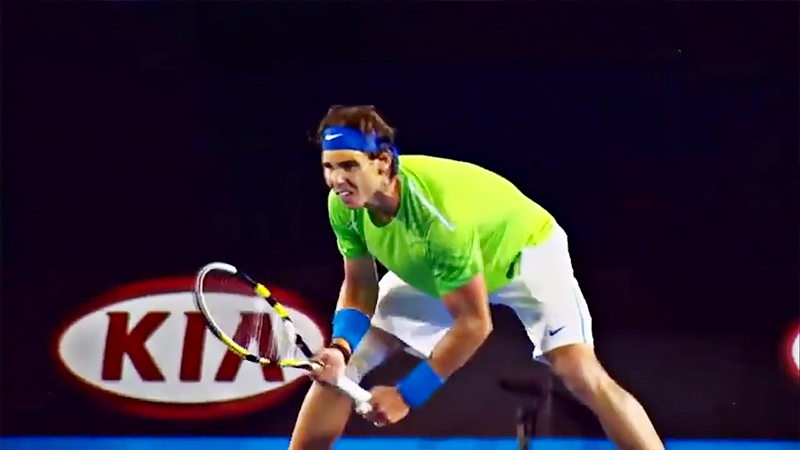
When you watch a professional tennis player slide across a clay court or launch into a 120-mph serve, you are witnessing a masterclass in biomechanics.
Every movement is a calculated explosion of power, requiring the body to function as a unified machine.
However, there is a fundamental element of the player’s kit that rarely makes the highlight reel, yet remains essential for peak performance: specialized athletic support.
For anyone competing at a high level—or even for the dedicated weekend warrior—the question of what happens under the shorts is not merely a matter of habit. It is a strategic decision that affects mobility, health, and focus.
The Fundamental Question: Do Male Tennis Players Wear Athletic Supporters?
The short answer is a definitive yes. Male tennis players frequently utilize athletic supporters or compression shorts as a standard part of their gear. This choice is driven by the physical reality of the sport.
Tennis is a game of high-intensity, multi-directional movement. Unlike a straight-line sprint, a tennis match is a non-stop series of sudden, explosive actions, including sprinting, jumping, and deep lunging.
Without proper support, the physical toll of these movements can range from minor distractions to significant discomfort. For the professional athlete, any distraction is a liability.
By ensuring everything is kept securely in place, players can maintain their focus on the ball and their opponent, rather than on their own physical irritation or lack of stability.
The Biomechanics of the Court: Why Support Matters
To understand why specialized undergarments are non-negotiable, one must look at the unique movement patterns of tennis.
1. Lateral Stability and the Kinetic Chain
Tennis is arguably the most demanding sport for lateral movement. Players must shuffle, cut, and change direction in fractions of a second. This “side-to-side” running creates a significant amount of kinetic energy that impacts the soft tissues of the lower body.
Athletic support is designed specifically to mitigate “painful bouncing” that occurs during these rapid transitions, allowing the player to stay light on their feet.
2. Explosive Verticality
Whether it’s a kick serve or a high overhead smash, tennis requires frequent vertical leaps. The landing phase of a jump puts several times the player’s body weight through their joints and muscles.
Supportive gear helps stabilize the core and groin area, ensuring that the landing doesn’t result in muscle strain or internal discomfort.
3. The Deep Lunge
Elite tennis often requires players to reach a ball while in a full split or a deep lunge. This requires an “unlimited stride”.
Traditional undergarments often bunch up or restrict this range of motion, whereas a dedicated athletic supporter or high-stretch compression short is built to move with the body’s natural lines of extension.
Breaking Down the Options: Jockstraps vs. Compression vs. Briefs
Modern textile technology has provided players with several sophisticated options, each offering a different balance of compression, breathability, and security.
The Traditional Athletic Supporter (Jockstrap)
While some might consider the jockstrap a relic of the past, it remains a “popular choice” among elite athletes. The primary advantage of a jockstrap is its ability to provide a “breathable, secure lift” without the extra fabric of a full short.
This minimizes heat retention—a critical factor during five-set matches in high-temperature environments like the Australian Open.
Furthermore, because the back is open, it allows for a completely “unlimited stride,” ensuring that the garment never catches on the thigh during a sprint.
Compression Shorts
Compression shorts have become the industry standard for many modern players. These tight, “stretchy spandex shorts” provide a uniform level of support across the entire upper leg and groin.
- The Circulation Factor: Beyond just holding things in place, compression shorts are designed to improve blood flow to the large muscle groups.
- Chafing Prevention: By providing a slick barrier between the skin of the thighs, compression shorts effectively “reduce muscle rubbing” or chafing, which can be a match-ending issue during long, humid sets.
Supportive Athletic Briefs
For the player who prefers a minimalist feel, moisture-wicking athletic briefs are an excellent alternative. These are far removed from standard cotton underwear.
They are engineered from advanced synthetic fibers that pull sweat away from the body, keeping the athlete “lightweight” and dry. They offer a middle ground between the extreme lift of a jockstrap and the full coverage of compression shorts.
Dispelling the “Hard Cup” Myth
A common misconception among those coming from contact sports like baseball or MMA is that tennis players must wear a hard plastic cup for protection. In reality, most tennis players “do not wear a hard plastic cup”.
The reasoning is purely functional. Hard cups are “too bulky” for the constant, fluid movement required on a tennis court. A cup can “restrict the movement” needed to sprint and change direction quickly.
While getting hit by a tennis ball is certainly uncomfortable, the risk of a high-impact injury in that specific area is relatively low compared to the certainty that a hard cup would hinder a player’s ability to cover the court effectively.
Materials Science: The Role of Moisture-Wicking Fabrics
In a high-stakes match, the weight of your gear matters. Cotton is the enemy of the professional athlete; it absorbs sweat, becomes heavy, and causes friction. This is why the best tennis undergarments utilize high-performance synthetics.
- Polyester and Elastane Blends: These provide the “snap-back” needed for consistent compression.
- Moisture Management: Advanced fabrics are designed to move moisture to the outer layer of the garment where it can evaporate quickly, keeping the player cool and preventing the “heavy” feeling of wet clothes.
- Odor Control: Many professional-grade undergarments are now treated with antimicrobial finishes to manage the bacterial growth that occurs during hours of intense physical exertion.
The Professional Approach to Gear Selection
Choosing the right support is a personal process that should be dictated by your specific body type and playing style.
- Assess Your Movement: If you are a defensive player who covers a lot of ground and relies on your legs, compression shorts may offer the muscle-fatigue benefits you need.
- Consider the Climate: In extreme heat, the breathability of a jockstrap or lightweight athletic brief can prevent overheating.
- Prioritize the “Main Goal”: Always remember that the “main goal is comfort”. If you are thinking about your underwear, you aren’t thinking about your backhand. The best gear is the gear you forget you’re wearing.
Enhanced FAQ: Support and Performance in Men’s Tennis
Q: Can I just wear standard boxers for tennis?
A: It is highly discouraged. Standard boxers provide zero support, which can lead to “painful bouncing” and significant chafing during the quick side-to-side running required in tennis.
Q: Do compression shorts help with recovery?
A: Yes. The increased blood flow provided by compression can help reduce muscle soreness and speed up the removal of lactic acid after a grueling match.
Q: How often should I replace my supportive gear?
A: Elasticity is the key to support. Once the spandex or elastic waistbands begin to lose their “snap,” the garment is no longer providing the security needed for explosive movements. For frequent players, replacing these items every 4–6 months is standard.
Q: Is it okay to wear compression shorts under a jockstrap?
A: Some players do this for maximum security, but it often leads to excess heat. Most players choose one or the other based on their personal preference for “lift” versus “coverage.”
Conclusion: The Foundation of Performance
Success on the court is built on a foundation of preparation. While much of that preparation involves technical drills and cardiovascular conditioning, your choice of equipment—right down to the most basic layers—plays a vital role.
Whether you opt for the traditional security of a jockstrap or the modern benefits of compression technology, the objective remains the same: ensuring your body is supported, protected, and ready for the explosive demands of the game.
By prioritizing comfort and stability, you allow your natural talent and hard work to take center stage.